Tools Developed
1. TRACT Checklist
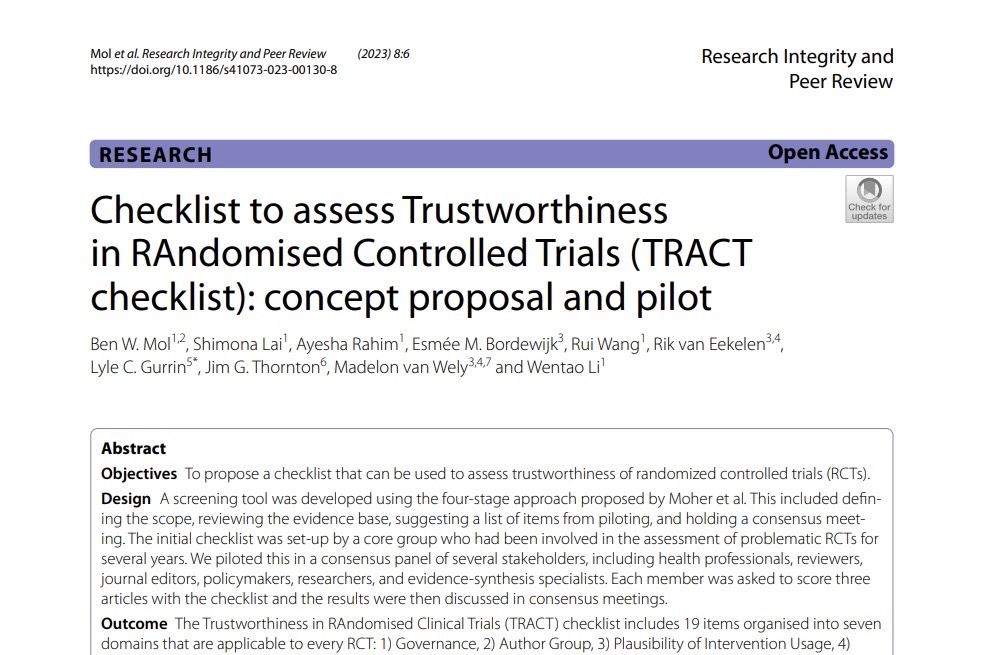
We have developed the Trustworthiness in RAndomised Controlled Trials checklist (acronym TRACT) to assess the trustworthiness of RCTs and other studies. Explanation here. The TRACT checklist can be used by reviewers, editors, systematic reviewers and guideline makers to check potential relevant RCTs for trustworthiness.
2. The ‘Toolbox’
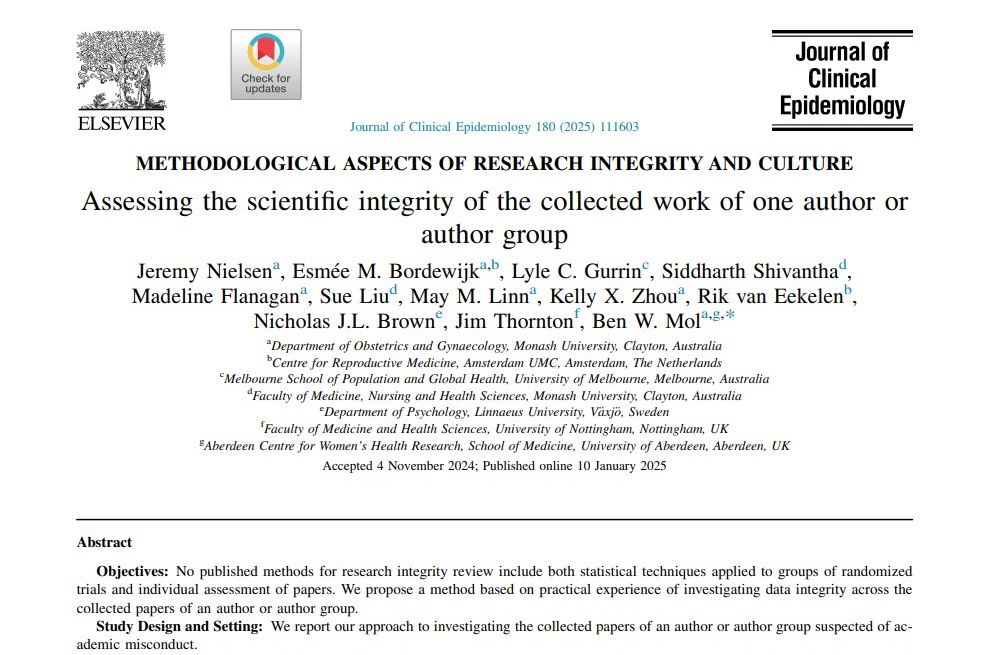
We have also developed a ‘toolbox’ to assess the scientific integrity of the collected work of one author or author group. Drawing on our experience assessing the integrity of papers, we outline a practical approach that combines statistical methods with feasibility checks to flag potentially untrustworthy studies.
Impact in the real-world
Retraction and Expression of Concerns
We have exposed more than 900 problematic papers by confronting authors and their institutions and asking editors/publishers to investigate.
This has resulted in >200 retracted papers and almost 100 papers with an expression of concern, of which more than 200 were RCTs. This is only the tip of the iceberg as there have another 700 papers flagged with an ongoing investigation. Only investigations result only in 15% of the cases in a result within 12 months, with the average time to decision (if a decision is taken of 2.5 years).
Be it as it may, this has resulted in increasing awareness in the problem of untrustworthy and even fake data. Journal editors have started to publish about the issue (ref), some journals have developed procedures to assess post-publication concerns, including specific portals.
Decrease in published RCTs from problematic countries and authors
Also, there is a decrease in published RCTs from problematic countries.
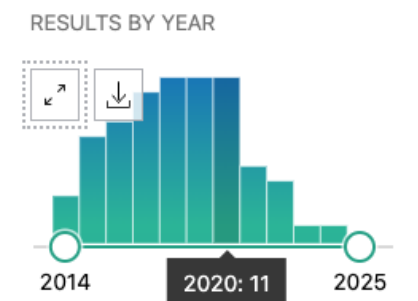
Iran: from average 68 obstetric/gynaecology RCTs/year published in 2017-‘22 to 42 and 40 in 2023 and 2024, respectively.
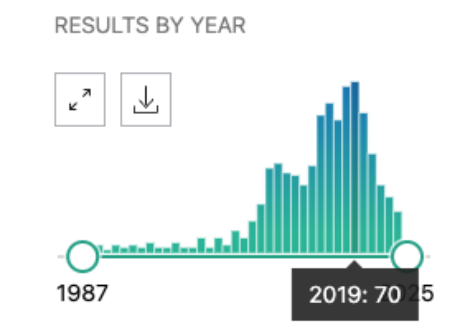
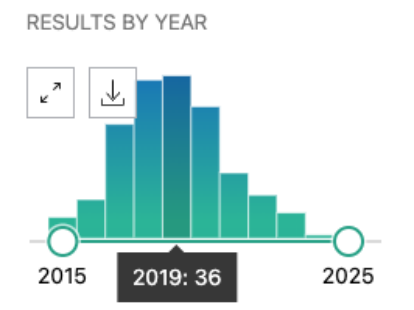
Egypt: 70 obstetric/gynaecology RCTs published in 2019 (average 61/year between 2015-2020) to 16 in 2024.

While trustworthy and good quality RCTs should be welcomed from every part of the world, it is important to signal this reduction.
Similarly, the contribution from some problematic authors has reduced:
Dr Ahmed Maged, Department Obstetrics and Gynaecology (Cairo University, 49 publications in the last decade, but only 2 in 2023/2024. Dr Maged has earned both retractions and expressions of concern in the double digits. More about his work at retraction watch and published here.
Dr Ahmed Abbas, Department Obstetrics and Gynaecology (Assiut University, 115 publications in the last decade, 0 in 2024. Dr Abbas has earned 12 retractions.
We have published assessments of work about authors with a large number of problematic papers:
- Dr Tarek Shokeir: Mansoura University 12 retractions/EoC Still unmarked 10 papers
- Dr Ahmed Badawy: Mansoura University 34 retractions/EoC Retracted PhD thesis Still unmarked 18 papers Retraction watch report
- Dr Haithem Abu-Hashim: Mansoura University 7 retractions/EoC Retracted PhD thesis. Still unmarked 2 papers Retraction watch report
- Dr Haithem Torky: October 6th University 7 retractions/EoC Still unmarked 7 papers
- Dr. Ashok Kumar: Maulana Azad Medical College, Lok Nayak Hospital, New Delhi. 5 retractions Still unmarked 18 papers
- Dr. Ahmed Maged: Cairo University 21 retractions/EoC, Still unmarked 39 papers
- Dr. Ahmed Abbas: Assiut University 11 retractions/EoC Still unmarked 103 papers More details in Nature
- Dr Mohamed Safarinejad. 31 retractions/EoC Still unmarked 85 papers Retraction watch report
 Trustworthy Research